
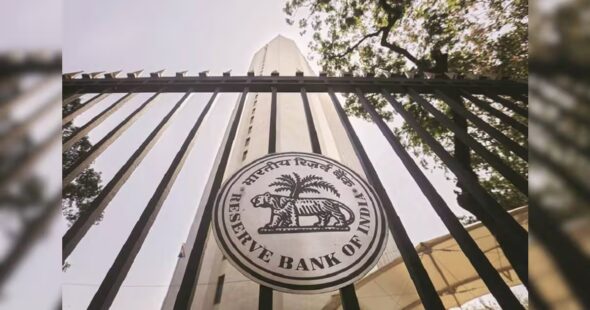
The Reserve Bank of India has raised the minimum daily maintenance requirement for the cash reserve ratio from 90 per cent to 99 per cent to tighten liquidity management.
The revised CRR requirement becomes effective from the reporting fortnight beginning October 16, 2026. This policy adjustment follows the central bank decision to raise the policy repo rate by 25 basis points to 5.50 per cent earlier in the week.
Key Details Of The Liquidity Measures
- The minimum daily maintenance requirement for the cash reserve ratio is increased to 99 per cent of the prescribed requirement.
- An open market operation sale of government securities worth ₹25,000 crore is scheduled for October 13 to absorb surplus liquidity.
- The liquidity surplus stood at ₹3.88 trillion as on October 8, measured by the amount banks parked in the liquidity adjustment facility window.
- The weighted average call rate stood at 5.31 per cent on Friday, compared with 5.30 per cent on Thursday.
Understanding The Cash Reserve Ratio Revision
Under the updated rules, banks must maintain at least 99 per cent of their prescribed cash reserve ratio on each day of the reporting fortnight. At the same time, institutions must ensure that their average daily CRR balance over the fortnight is no less than the prescribed requirement of 3 per cent.
CRR is the proportion of total bank deposits that financial institutions must maintain as cash balances with the Reserve Bank of India, on which banks do not earn interest. The last time the central bank raised this daily maintenance requirement to 99 per cent was in July 2013 during foreign exchange market volatility following the US Federal Reserve taper tantrum.
The measure reduces flexibility for banks in managing daily liquidity needs and could tighten money market conditions. The policy aims to bring the weighted average call rate closer to the policy repo rate of 5.50 per cent.
Open Market Operations And Government Securities
The central bank announced an open market operation sale of government securities worth ₹25,000 crore on October 13. The auction uses the multiple-price method and features six government securities maturing between 2030 and 2034.
The Reserve Bank of India previously sold government securities worth ₹1 trillion through open market operations in September across three tranches. Market participants have also engaged in variable rate reverse repo auctions, with the central bank planning a three-day variable rate reverse repo auction worth ₹2 trillion on Monday.
Frequently Asked Questions
When does the revised cash reserve ratio requirement take effect?
The revised minimum daily maintenance requirement of 99 per cent for the cash reserve ratio takes effect from the fortnight beginning October 16, 2026.
What is the purpose of the open market operation sale?
The open market operation sale of government securities worth ₹25,000 crore on October 13 is conducted to absorb surplus liquidity and bring the weighted average call rate closer to the policy repo rate of 5.50 per cent.
Stay Updated with the Latest News and Current Affairs
Discover more from Current Affairs World
Subscribe to get the latest posts sent to your email.