
Nintendo has handed its upcoming Ocarina of Time remake for the Switch 2 to a mix of veteran talent and younger developers, including some who had never played the original 1998 classic. According to producer Hidemaro Fujibayashi, those new voices brought a much-needed perspective that shaped the project by focusing on what not to change from the original experience.
The development team is led by producers Eiji Aonuma, a director on the original N64 game and current franchise steward, alongside Fujibayashi, who directed Breath of the Wild and its sequel. Fujibayashi noted that the younger team members approached the project very carefully, looking for elegance and only carrying forward what was important in the original game.
The original Ocarina of Time debuted in 1998 on the Nintendo 64 as Nintendo’s first 3D venture for The Legend of Zelda. Aonuma highlighted that the most obvious difference in the modern production is its massive scale, involving significantly more time and people compared to the N64 days when backgrounds were often designed by just a single person.
Why Nintendo Involved Younger Developers In The Remake
Fujibayashi praised the younger staff for embracing the theme of restraint, ensuring they did not pursue novelty for its own sake and clutter the game. He expressed confidence that this focus on keeping only what is needed will carry over into their future projects.
[[IMG_1]]
The team also addressed elements of the original game that can feel restrictive to modern players, particularly given the strong emphasis on player freedom in recent titles like Tears of the Kingdom. To bridge the gap between past and present, the developers implemented complete camera control and the ability to jump anywhere.
Aonuma acknowledged that adding a free-jump mechanic required adjusting the world to compensate for that level of freedom. He noted that connecting this title to recent entries by offering alternative approaches to goals proved to be very helpful.
Modernising Graphics And Classic Dungeons
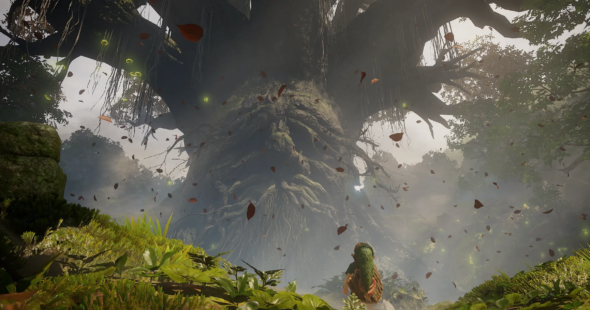
The updated visuals blend realism and fantasy art to showcase details of the world that were previously constrained by hardware output limitations in 1998. Despite these visual overhauls, core gameplay features from the original continue to hold up, such as Z-targeting, which Fujibayashi cited as a foundational solution for combat in 3D worlds.
[[IMG_2]]
Remaking the title also gave Aonuma an opportunity to adjust infamous elements from the N64 version, such as the fairy guide Navi. While Navi is still present, her dialogue has been toned down to reduce the feeling of overbearing hints, and the remake now utilises in-game text to chronicle adventures and help players track their progress.
Similarly, the notoriously challenging Water Temple has been modernised to reduce the arduous nature of navigating the underwater dungeon. Improvements to the camera and item management mean players will notice a distinct difference from their memories of the original N64 version.
Celebrating 40 Years Of Zelda With Diverse Approaches
As the Zelda franchise celebrates its 40th anniversary this year, Aonuma stressed the importance of maintaining traditional gameplay styles alongside open-world adventures like Breath of the Wild and top-down puzzle experiences like Echoes of Wisdom. He believes that utilizing different approaches is key to the franchise’s enduring staying power.
[[IMG_3]]
With the addition of fresh staff members who are new to the franchise, Aonuma looks forward to expanding the development playbook and exploring new possibilities for future projects across the series.
Frequently Asked Questions
What is the Ocarina of Time remake for Switch 2?
The Ocarina of Time remake for the Switch 2 is a modernised version of Nintendo’s classic 1998 N64 game, combining the original experience with contemporary graphics, free-jump mechanics, full camera control, and streamlined navigation led by producers Eiji Aonuma and Hidemaro Fujibayashi.
Why did Nintendo use younger developers for the Zelda project?
Nintendo involved younger developers, some of whom had never played the original game, to provide a fresh perspective. Producer Hidemaro Fujibayashi noted that these new voices helped the team carefully embrace the theme of what not to change while focusing on elegance.
Stay Updated with the Latest News and Current Affairs
Discover more from Current Affairs World
Subscribe to get the latest posts sent to your email.