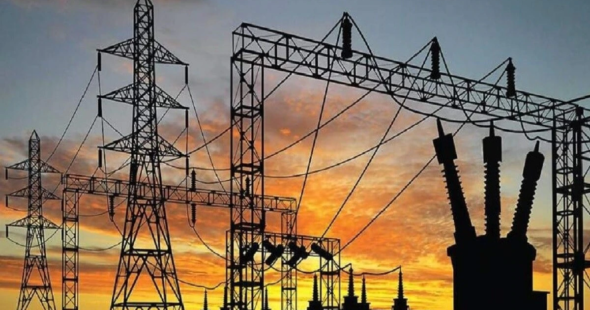
Residents across Gurugram Power Cuts spent Thursday night grappling with prolonged blackouts after a strike by Haryana electricity employees disrupted power supply across several districts. The labour action affected residential homes, water services and industrial operations, leaving thousands of citizens searching for answers.
The strike, which began at 10 pm on October 21 and was scheduled to continue until October 24, stems from opposition to the Haryana Electricity Regulatory Commission granting a 25-year parallel electricity distribution licence to private company Eleven Power for Gurugram and Nuh.
The Dakshin Haryana Bijli Vitran Nigam (DHBVN) registered around 5,500 complaints on its toll-free number between midnight and 7 am as outages struck multiple neighbourhoods. The disruption also spread beyond Gurugram into Sonipat, Rewari and Ambala, prompting street protests and road blockades.
Key Points Of The Gurugram Power Cuts
- Over 5,500 complaints were registered on the DHBVN toll-free number between midnight and 7 am.
- The strike began at 10 pm on October 21 and was scheduled to continue until October 24.
- Protests and road blockades occurred in Gurugram, Sonipat and Rewari due to the blackouts.
- Employees are opposing a 25-year parallel electricity distribution licence granted to Eleven Power.
What Triggered The Strike Against Private Distribution
The Haryana Electricity Regulatory Commission (HERC) granted Eleven Power a parallel distribution licence on October 19 under Section 14 of the Electricity Act, 2003. This decision allows the private company to develop infrastructure and supply electricity in Gurugram and Nuh alongside the state-run DHBVN.
Electricity employees have strongly opposed the move, arguing that parallel distribution amounts to indirect privatisation. Workers fear the entry of a private operator will undermine the state utility, threaten jobs and weaken the public-sector electricity distribution system.
Before the strike began, residents had been warned that power faults could go unattended. The immediate disruption followed the employees’ strike against the licensing decision rather than the licence itself, exposing how dependent residential colonies and industrial units are on electricity workers to maintain supply and repair faults.
Financial Dispute And Revenue Concerns
The controversy extends beyond employment concerns to focus on the financial model supporting electricity distribution in the state. DHBVN currently supplies power across southern Haryana, and the entry of another distributor gives eligible consumers a choice of supplier once the private network becomes operational.
Supporters of competition argue that the prospect of losing customers encourages distributors to improve service and invest in infrastructure. However, DHBVN warned in submissions before HERC that it could lose a significant share of its revenue if commercial and industrial consumers shift to the private company.
In 2025-26, Gurugram and Nuh accounted for 35.23 percent of DHBVN electricity sales and 42.98 percent of its revenue. The utility projected that even a relatively small shift in sales to Eleven Power could result in substantial revenue losses, though Eleven Power disputed this assessment by arguing its business plan assumed only a limited shift of existing customers alongside new connections.
Impact On Daily Life And Essential Services
The outages interrupted essential services that residents depend on beyond electricity itself. In residential areas, prolonged power cuts disrupted water supplies, while high-rise apartments faced issues with lifts and water pumps.
Industrial establishments in Daulatabad, Kadipur and Sector 37 reported production disruptions and delayed orders. The crisis also spilled over into public order when villagers blocked National Highway 352 near Palhawas in Rewari, creating long vehicle queues before police and administration officials persuaded them to clear the road.
Chief Minister Nayab Singh Saini appealed to employees to reconsider the strike, while Energy Minister Anil Vij stated that the government would pursue a legal challenge before the Appellate Tribunal for Electricity. The immediate priority remains restoring reliable power supply, clearing pending complaints and limiting disruption to households, water services and industrial operations while the regulatory dispute over the Gurugram Power Cuts continues.
Frequently Asked Questions
Why are electricity employees on strike in Haryana?
Electricity employees in Haryana are on strike to protest the Haryana Electricity Regulatory Commission decision to grant a 25-year parallel electricity distribution licence to private company Eleven Power for Gurugram and Nuh, which workers fear will lead to indirect privatisation.
How many complaints were registered during the Gurugram power cuts?
The Dakshin Haryana Bijli Vitran Nigam received around 5,500 complaints on its toll-free number between midnight and 7 am as prolonged power outages disrupted supply across several districts.
Stay Updated with the Latest News and Current Affairs
Discover more from Current Affairs World
Subscribe to get the latest posts sent to your email.