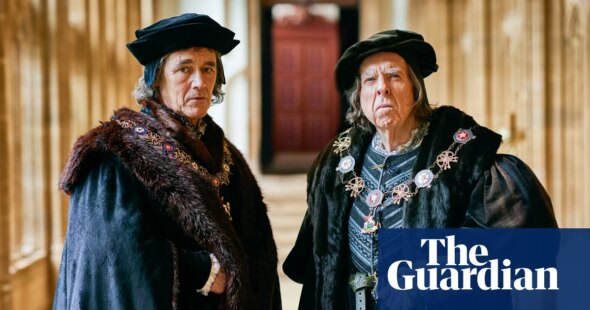
Fewer than half of households in Britain will pay the BBC licence fee within a decade, according to independent analysis warning that the broadcaster is facing a severe funding decline. The study projects that the proportion of households paying the levy could drop to less than a third by 2037-38 under the current system.
Culture Secretary Lisa Nandy is preparing to publish proposed funding changes that would require anyone watching a streaming service to pay the fee. Currently, only viewers who watch live television or the BBC iPlayer are required to make the payment.
Independent projections by media consultancy Oliver & Ohlbaum Associates point to a cycle of falling income that could reduce spending on strong content. The research indicates that licence fee income could be worth less than half its current level in real terms by the end of the next charter period.
Key Points Of The BBC Licence Fee Report
- Fewer than half of UK households are projected to pay the licence fee within a decade.
- Non-payment has risen from about 9% of households in 2015 to approximately 23% last year.
- Culture Secretary Lisa Nandy is preparing proposals to extend the fee to streaming service viewers.
- Projections suggest YouTube could overtake BBC TV set viewing by 2032-33.
Impact Of Falling Income On The BBC
The analysis, included in a report by the Reset Tech thinktank, indicates that spending on television content will more than halve by the next charter review. Viewing figures per person via TV sets are projected to drop from 46 minutes a day in 2024-25 to 23 minutes a day in 2037-38.
Real-terms revenue is expected to fall from £3.8bn to £1.6bn over the same timeframe. Non-payment of the levy has risen from about 9% of households in 2015 to roughly 23% last year, and this downward trend continues to accelerate.
Proposed Changes And Industry Response
Extending the payment requirement to streaming platforms is intended to place the corporation on a more sustainable footing. However, the move is expected to face opposition from major streaming services such as Netflix, Disney, Amazon and YouTube, alongside their subscribers.
Other proposals, including a universal household levy, have already been ruled out by the Treasury. Dylan Sparks, the UK director at Reset Tech, stated that the research demonstrates the current funding model is broken and requires urgent reform.
“The BBC is critical national infrastructure and it deserves a long-term settlement that ensures it not only survives but thrives in the decades to come,” Sparks said. A BBC spokesperson acknowledged that the existing funding model is unsustainable and confirmed the corporation will engage with the government to secure sufficient and universal funding for future generations.
Frequently Asked Questions
Why is the BBC licence fee expected to decline?
Independent analysis shows that changing viewing habits, the growth of streaming platforms, freezes to the fee over the past decade, and rising production costs are driving a steady increase in non-payment, which has already risen to 23 percent of households.
What changes are being proposed for the BBC licence fee?
Culture Secretary Lisa Nandy is preparing proposed changes to the BBC licence fee that would require anyone who watches a streaming service to pay the levy, expanding the requirement beyond those who watch live television or the BBC iPlayer.
Stay Updated with the Latest News and Current Affairs
Discover more from Current Affairs World
Subscribe to get the latest posts sent to your email.